AI CATCH UP WITH EILEEN · EPISODE NOTES AND SOURCES
From Search Engines to ChatGPT: How We Ask, How AI Answers
Watch on YouTube · All podcast episodes on YouTube
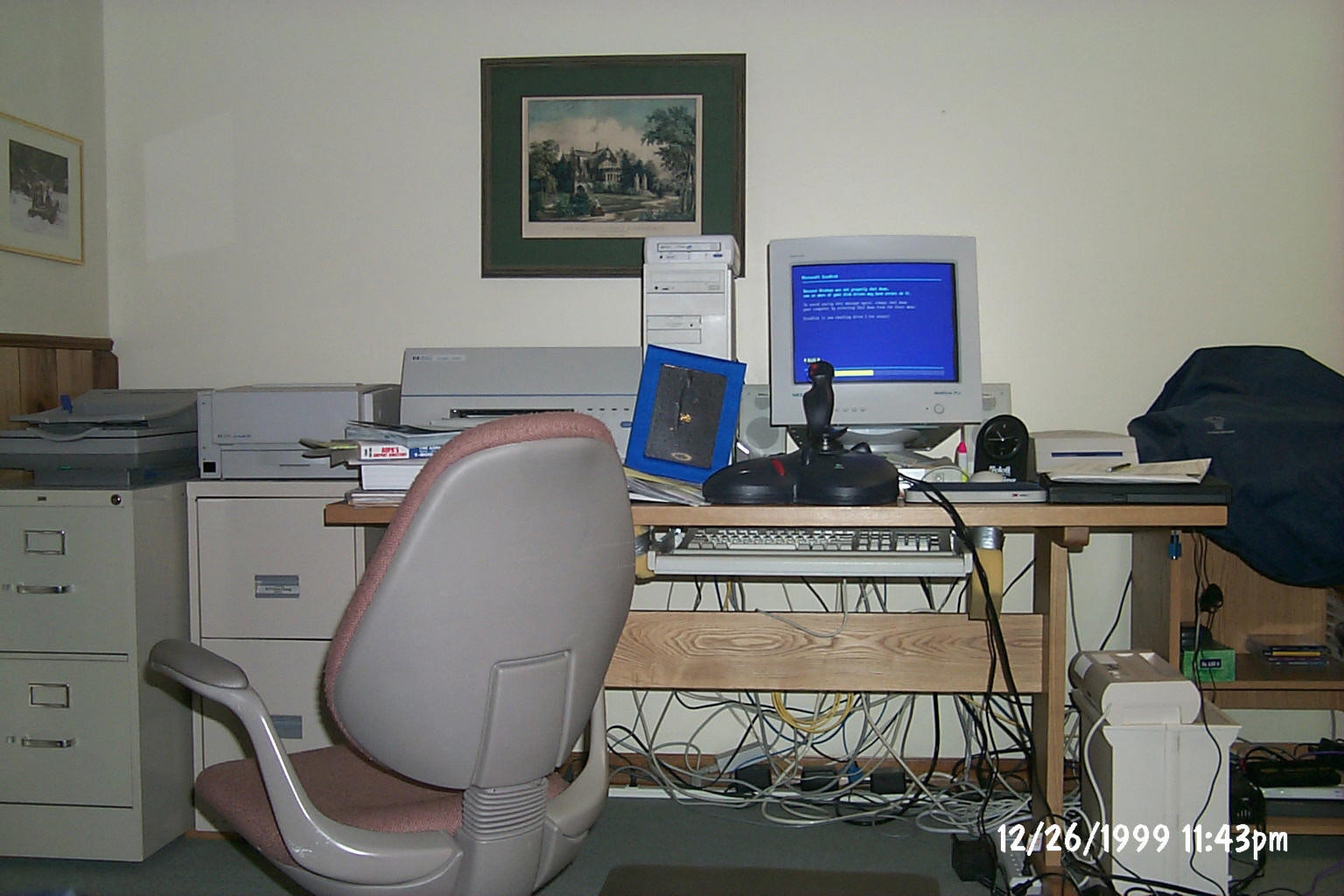
A basement computer, a very hot floor lamp, and a job answering questions for ChaCha: I follow the shift from Prodigy and search engines to AI chatbots, then turn the editorial lens on making this episode with AI.
What changes when we ask a machine to write the answer instead of helping us find it? Human judgment still matters, from checking sources to deciding which parts of a script belong.
The family computer setup
Prodigy welcome screen
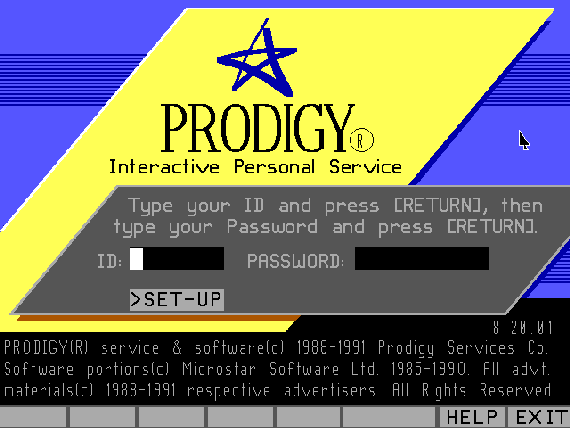
Prodigy and the search engine era
- Prodigy brochure from 1991 ↗
Original service brochure preserved by the Museum of Computer Adventure Game History. Advertises $12.95 monthly membership and describes information, shopping, games, and member communication.
- Prodigy pricing reported in April 1993 ↗
Historical pricing: $14.95 monthly; two included hours; $4.80 for additional hours. These dated examples do not identify my family's exact plan or bill. The long-distance telephone charges are my recollection of connecting from our house, not a claim about every Prodigy subscriber.
- CPSC's 1997 halogen torchiere floor lamp recall notice ↗
The August 21, 1997 notice describes the shallow bowl-shaped fixture and fire hazard. It concerns the lamp category, not a verified identification of our family's particular model.
- Crawling, indexing, and serving search results ↗
Google Search Central explains the preparation behind a query. The book-index comparison in the episode is an analogy; search products can also include live retrieval and other features.
- Early Google and PageRank ↗
Brin and Page's 1998 research paper, linked through its official publication record. Links between pages helped inform importance; a high ranking is not a guarantee of accuracy.
- Boolean operators and phrase searching ↗
National Library of Medicine documentation for AND, OR, NOT, quotation marks, and parentheses. Exact syntax varies by database. A grouped example is
halogen AND torchiere AND (fire OR recall).
ChaCha, AI, and episode references
- ChaCha web search in 2006 ↗
ChaCha's November 2006 release, preserved in syndication, describes live guides, its September alpha launch, and accumulated search results.
- ChaCha text messaging in January 2008 ↗
Company release reproduced by IntoMobile. Documents live guides answering questions sent to 242242. This service followed my recollection of working as a guide in 2007.
- Keypad and predictive text ↗
HMD's Nokia 3310 3G guide illustrates repeated-key entry and predictive input. It is a later handset manual, not evidence of the exact phone I used.
- Google on “keyword-ese” ↗
Google's October 2019 discussion of the abbreviated search language users learned. The episode uses the phrase without a separate BERT or neural-network lesson.
- Language models and context ↗
Background on learned language patterns, tokens, and context for the episode's brief comparison of human-assisted search and generated answers.
- Unfrozen Caveman Lawyer ↗
Saturday Night Live reference for Phil Hartman's character. Wording follows the supplied transcript; the video was not independently replayed during the source review.
Personal sources and image credits
The April 7, 2010 King Kong versus Godzilla exchange comes from a screenshot I supplied. It is not presented as my own question or answer, or as evidence that the guide's opinion is fact. No verified public URL is available.
The family computer photograph is dated December 1999 and shows the later proper desk. The separate Prodigy welcome image is credited beside the image to Prodigy and Jim Carpenter, via Fast Company. Personal recollections and the account of editing this episode with AI are mine.